If you are deciding between a condo and a co-op in Brooklyn Heights, you are really making three choices at once: how you want to own, what you want to pay each month, and how much building oversight you are comfortable with. That can feel like a lot, especially in a neighborhood where inventory is limited and many buildings come with their own rules and rhythms. The good news is that once you break the decision into a few practical categories, the path gets much clearer. Let’s dive in.
Why this choice matters in Brooklyn Heights
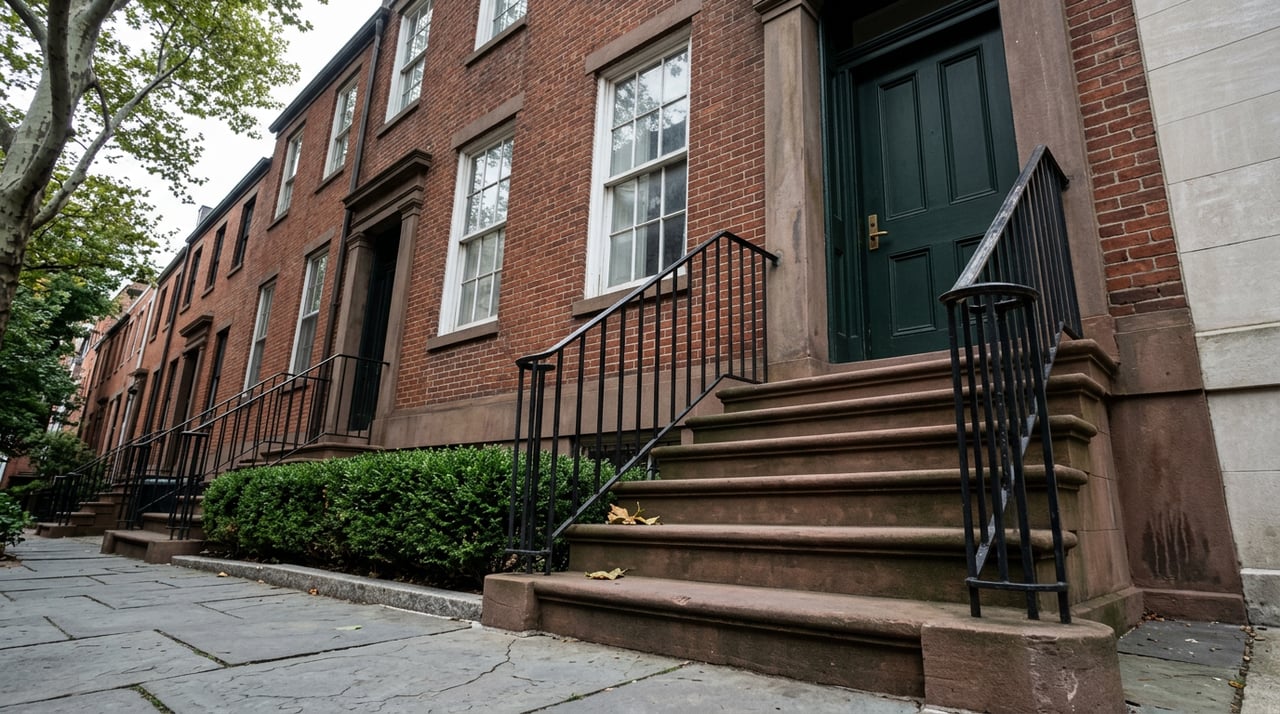
Brooklyn Heights is not just any New York City neighborhood. It includes an official historic district, and the NYC Landmarks Preservation Commission says that landmarked buildings and buildings in historic districts need advance approval for certain exterior changes, reconstruction, demolition, or new construction affecting the designated building.
For you as a buyer, that means the condo versus co-op question is only part of the story. If you are planning updates, preservation rules can affect your renovation timeline, budget, and overall flexibility. In a neighborhood with classic prewar buildings and newer waterfront development, that context matters.
Brooklyn Heights also continues to act like a premium, supply-constrained market. In Corcoran’s October 2025 Brooklyn report, overall Brooklyn sales were down year over year, but the Brooklyn Heights, Cobble Hill, DUMBO, and Downtown Brooklyn submarket was one of only two Brooklyn submarkets to post yearly sales increases.
That is part of why this decision deserves a strategy-based approach. In a market like this, the better question is not “Which is better?” but “Which ownership structure fits your goals, budget, and risk tolerance best?”
What you own in a condo
In a condo, you own your individual unit plus an undivided interest in the building’s common elements. In simple terms, you hold deeded title to the apartment itself, while sharing ownership of areas like hallways, lobbies, and other common spaces.
For many buyers, that structure feels more familiar. It is closer to the way people usually think about real estate ownership, which can make the purchase, financing, and eventual resale process easier to understand.
This is one reason condos often appeal to buyers who want clarity and flexibility. If your priority is a more straightforward ownership model, a condo may line up well with how you think about long-term value.
What you own in a co-op
In a co-op, you do not purchase real property in the same way. Instead, you buy shares in a corporation, and those shares are tied to a specific apartment through a long-term proprietary lease.
That difference is important because it shapes nearly everything else. Your monthly maintenance is based on your share allocation, and your ownership experience is closely tied to the building’s governance, finances, and house rules.
For some buyers, that structure works very well. If you are comfortable with a more community-governed building and want to focus on value at entry, a co-op can be a strong fit.
How building governance affects daily life
One of the biggest practical differences between condos and co-ops is the role of the board. The New York Attorney General says a co-op board is elected by shareholders and must follow the building’s bylaws, proprietary lease, certificate of incorporation, and house rules.
That means when you buy into a co-op, you are not only buying the apartment. You are also buying into the building’s governance culture. Rules, review processes, and financial expectations can all shape your experience as an owner.
In many cases, this adds an extra layer of oversight that some buyers appreciate and others prefer to avoid. If you value predictability and are comfortable with a more structured environment, that may not be a drawback. If you want fewer approval layers, a condo may feel simpler.
Why co-op financing can be more complex
Financing is often where the condo versus co-op difference becomes very real. Fannie Mae says lenders reviewing co-op share loans evaluate the co-op project’s operating budget, audited financials or tax returns, reserves, and delinquency levels.
So even if you are personally well qualified, the building itself also matters. The lender must determine whether the co-op project is financially acceptable, which can create more friction than a typical condo loan process.
That does not mean co-ops are unfinanceable. It means the transaction can depend more heavily on building-level strength, and that is something you should evaluate early.
Why condos often feel more straightforward
With a condo, the buyer owns a deeded unit rather than shares in a corporation. That ownership structure does not eliminate underwriting, but it usually creates a cleaner path from contract to closing.
This can also matter later when you sell. A deeded ownership model is often easier for future buyers to evaluate, which may support a smoother resale process.
If you are the type of buyer who values optionality, simpler financing mechanics, and a broader potential buyer pool later, a condo may check more boxes.
Compare the full monthly cost
In Brooklyn Heights, the smartest way to compare a condo and a co-op is to look past the asking price. Your real affordability picture should include principal and interest, taxes, insurance, common charges or maintenance, and any special assessments.
That matters because the lower sticker price does not always mean the lower monthly burden. The Consumer Financial Protection Bureau warns that focusing only on principal and interest can create a misleading view of affordability.
A current Brooklyn Heights example helps show the spread. As of June 2026, StreetEasy showed a condo at 50 Bridge Park Drive listed at $2.45 million with $1,715 in monthly common charges and $2,131 in monthly taxes, while a co-op at 111 Hicks Street was listed at $365,000 with $1,338 in monthly maintenance that includes taxes.
These are not directly comparable homes, but they illustrate the point well. In Brooklyn Heights, condo versus co-op is often less about the headline price and more about monthly carry, liquidity, and lifestyle fit.
Understand how taxes are handled
Taxes work differently depending on the ownership type. New York City’s Department of Finance says co-op owners do not pay property tax directly, because the tax is built into the building’s common charges and passed through as part of maintenance.
Condo owners, by contrast, pay property taxes on their individual units. The Department of Finance also says condo unit owners receive property tax exemptions for their units, while co-op boards allocate those benefits to units through common charges.
There is also a New York City co-op and condo property tax abatement for eligible primary residences. According to NYC311, the current abatement range is 17.5% to 28.1%, depending on the development’s average assessed value, and the board or managing agent applies on behalf of the development.
Think about resale logic early
Even if you expect to stay for years, resale should be part of your decision now. Ownership structure affects who may be able to buy your home later and how easy the path to closing may be.
For co-ops, project financials and delinquency levels matter to lenders. That can narrow the buyer pool, especially if the building’s financial profile raises questions during underwriting.
With condos, the deeded-unit structure usually creates a more direct resale path. If you are thinking ahead about flexibility, that can be a meaningful advantage.
Factor in renovation and landmark rules
In Brooklyn Heights, building type is not the only layer of review. Because the neighborhood includes a historic district, certain exterior work on landmarked buildings or buildings in historic districts may need approval from the Landmarks Preservation Commission.
If you are buying with renovation plans, ask two separate questions right away. First, what does the building allow? Second, what may require landmark-related approval?
That is especially important in older co-ops and prewar buildings, where renovation ambitions can run into both board rules and preservation requirements. A beautiful apartment can still come with timing and budget limits you need to understand before you close.
A simple way to choose
If you want to make this decision with less stress, focus on three filters:
- Legal wrapper: Do you prefer deeded ownership, or are you comfortable owning shares in a corporation?
- Monthly carry: What is the true all-in monthly cost once you include every recurring expense?
- Building governance: How much oversight, review, and structure feels acceptable to you?
If deeded ownership, cleaner financing, and resale flexibility matter most, a condo is often the better fit. If you are comfortable with more board involvement and want to optimize for entry price or monthly carrying logic, a co-op may be the better match.
Neither option is universally better in Brooklyn Heights. The right answer depends on how you weigh flexibility, cost, and the realities of building governance.
In a neighborhood like Brooklyn Heights, good decisions come from looking at the numbers and the building itself, not just the listing photos or purchase price. If you want help comparing the tradeoffs in a way that fits your budget and long-term plans, Jarrod Duncan can help you evaluate the options with clarity and a finance-minded approach.
FAQs
What is the main ownership difference between a Brooklyn Heights condo and co-op?
- A condo gives you deeded ownership of an individual unit plus shared ownership of common areas, while a co-op means you buy shares in a corporation tied to a proprietary lease for a specific apartment.
Why can financing a Brooklyn Heights co-op be harder than financing a condo?
- Co-op lenders may review the building’s budget, reserves, financial statements, and delinquency levels, so the building’s financial condition can affect the loan process along with your personal qualifications.
How should you compare monthly costs for a Brooklyn Heights condo or co-op?
- You should compare the full monthly cost, including mortgage principal and interest, taxes, insurance, common charges or maintenance, and any special assessments.
Do Brooklyn Heights co-op owners pay property taxes directly?
- No. According to New York City’s Department of Finance, co-op property taxes are included in the building’s common charges and reflected in maintenance rather than billed directly to each owner.
Why do landmark rules matter when buying in Brooklyn Heights?
- Because Brooklyn Heights includes a historic district, certain exterior changes or building work may require advance approval, which can affect renovation plans, timing, and cost.