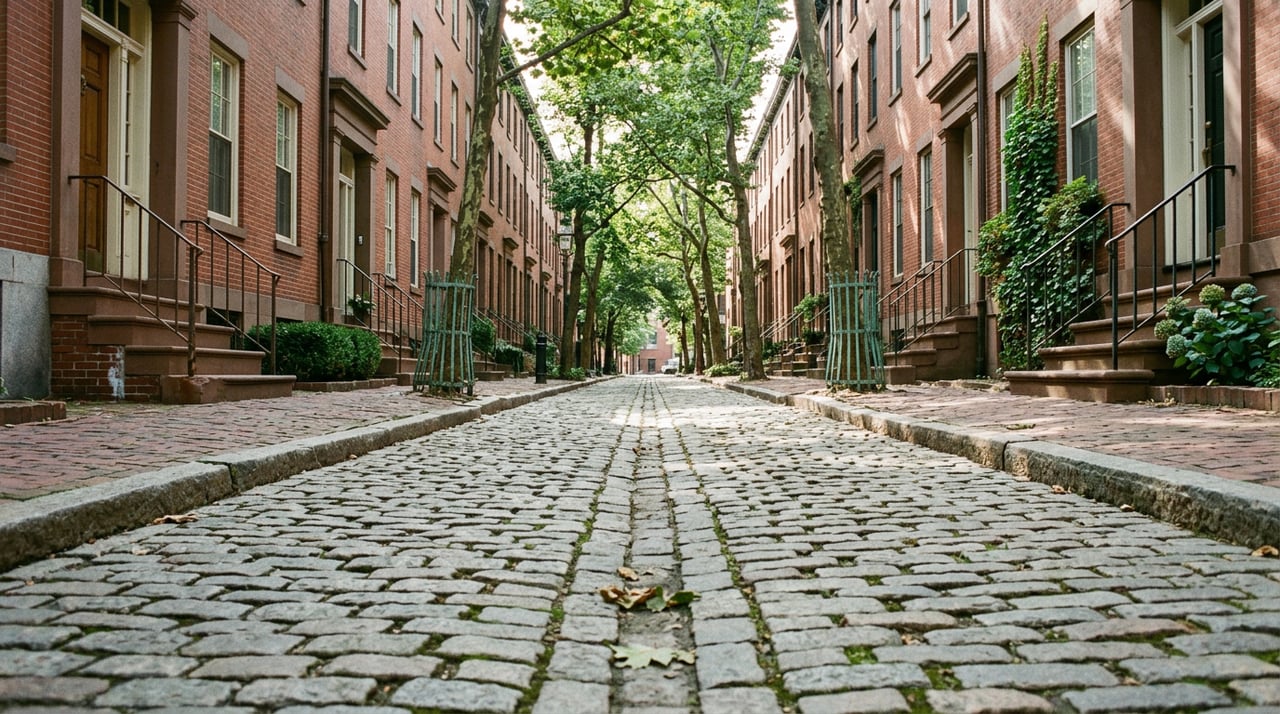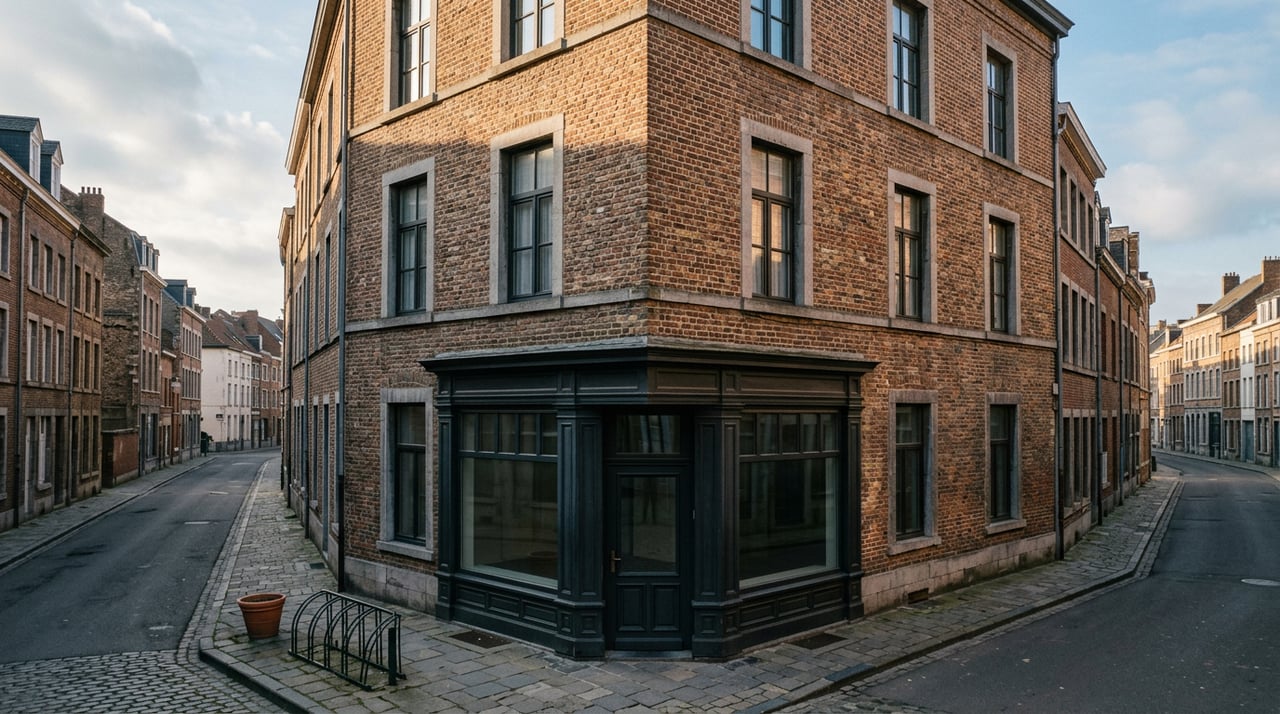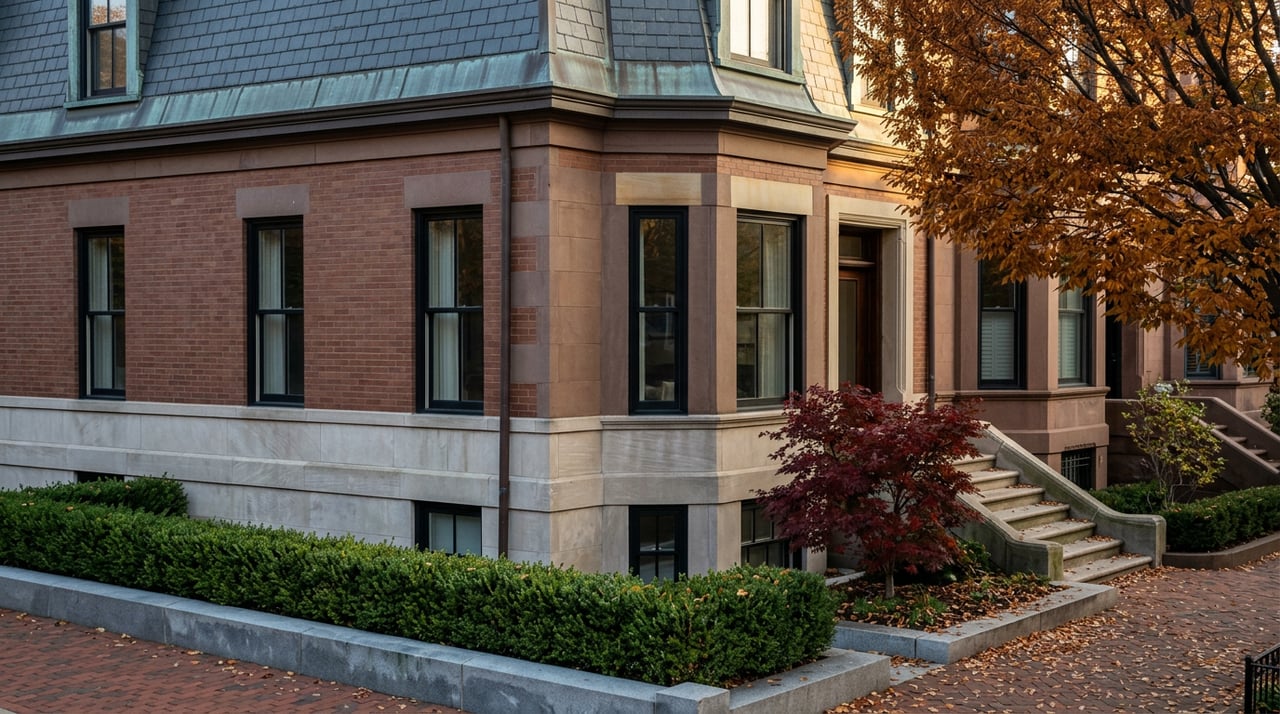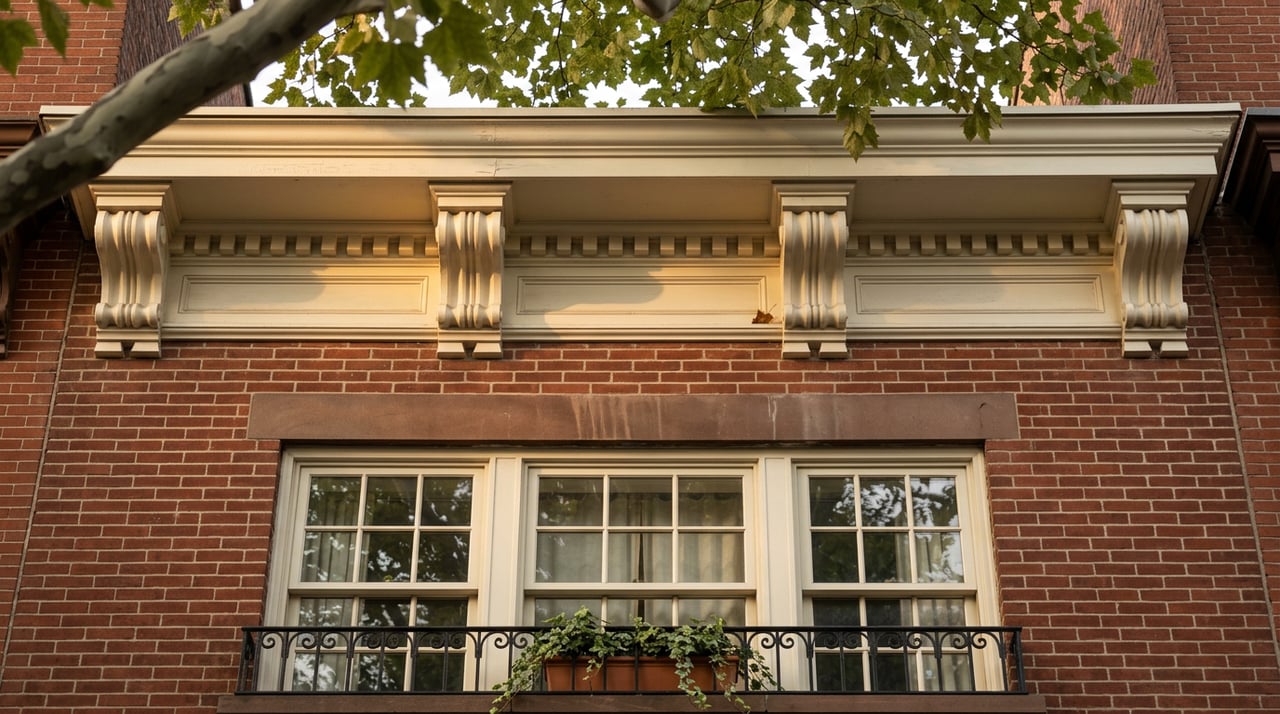
Most buyers walking a Brooklyn Heights rowhouse or a prewar co-op on Remsen or Montague are running two mental checklists. One is financial: comps, carrying costs, reserves. The other is cosmetic: kitchen, light, floor plan. Almost nobody is running the third checklist, which is the one that actually decides whether the deal closes on time.
That third list is exterior compliance. Brooklyn Heights became New York City's first designated historic district in 1965, which means the front elevation of the building you are buying, and often the rear, the roof parapet, and any street-visible mechanicals, sit under Landmarks Preservation Commission jurisdiction. When prior owners changed a window, swapped a door, added a rear extension, or lowered an areaway without pulling the right permit, that work does not simply age into acceptance. It becomes a title-and-timeline problem the next time anyone touches the building, applies for a DOB permit, or refinances. In this market, the biggest closing risk in the Heights is rarely the board package. It is a set of windows a former owner replaced in 2011.
The friction that shows up after the accepted offer
The pattern is consistent. A buyer signs a term sheet on a townhouse or a co-op unit whose building has a live LPC issue nobody flagged. Diligence turns up a stop-work exposure, an open violation, or a required legalization filing, and the deal reprices, delays, or dies. The seller is surprised because the work was done a decade ago and "everyone on the block did it." The buyer is surprised because their inspector looked at the boiler, not the muntin pattern.
The LPC is the decision-maker for changes to exteriors visible from a public way, and the DOB generally will not issue permits for historic-district work until LPC has cleared it. Perform regulated exterior work without LPC approval and you expose the building to violations, stop-work orders, fines, required restoration, and closing or refinance delays. That last phrase is the one that matters at contract. A violation attached to the building's record can hold up a bank appraisal, a co-op board's estoppel letter, or a title insurer's willingness to close clean.
Reading the facade like a diligence document
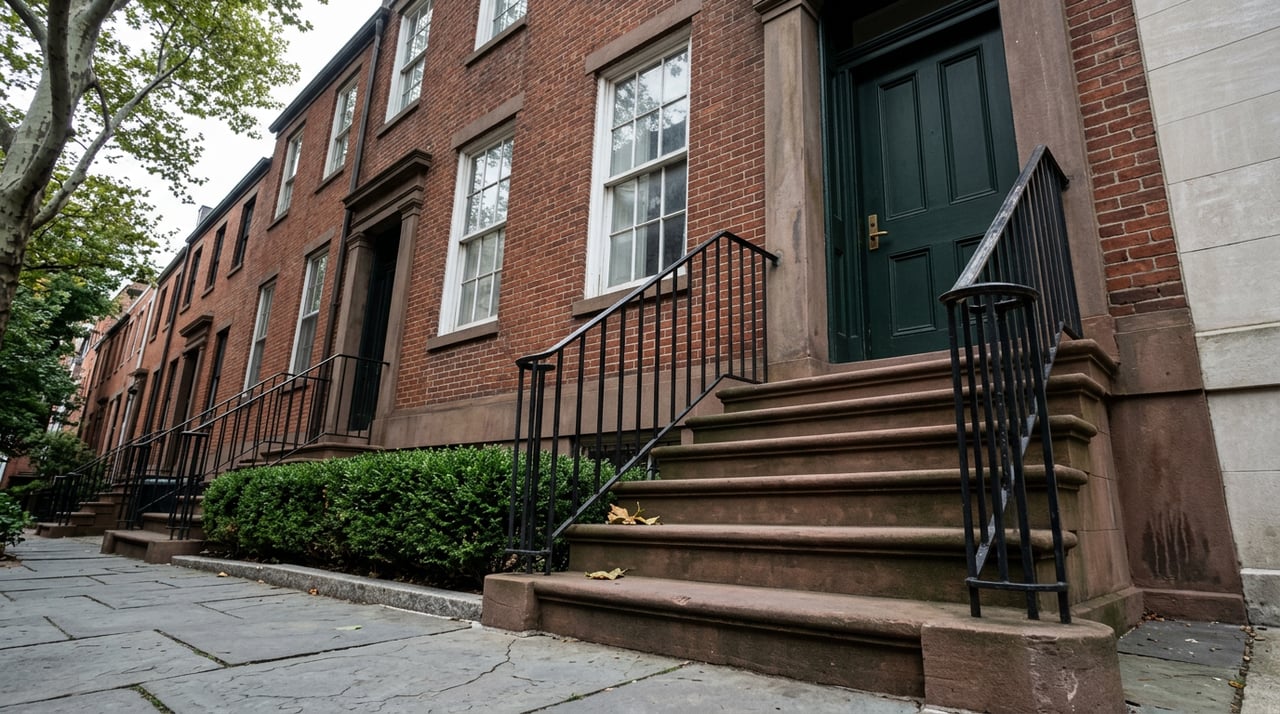
Before making an offer on a house or a low-rise co-op in the Heights, walk the facade with the specific list of items that reliably trigger LPC review. The Heights inventory of protected features is dense, so this list is longer than in most neighborhoods:
- Windows and doors, including any change to opening size, muntin pattern, material, or visible trim and sill
- Stoops, railings, cornices, lintels, and any masonry work beyond ordinary repair
- Brownstone resurfacing and facade repair that goes past simple maintenance
- Rooftop additions and visible rooftop mechanicals, including condensers
- Rear extensions, new skylights, vents, flues, and wall penetrations
- Interior renovations that require a DOB filing, because DOB coordination pulls LPC back into the review
The last point is the one that catches sellers who assume "we only did the inside." Interior work generally does not need LPC review on its own, but the moment a DOB permit is required, or the work affects the exterior envelope, LPC is back at the table. A gut renovation done under an Alt-1 without LPC sign-off ten years ago is not a settled matter. It is a legalization filing waiting to be triggered.
Which legalization path, and how long it actually takes
If diligence surfaces a problem, the seller's fix falls into one of a small number of permit paths. Timelines are not a rounding error in these deals. They are the deal.
Certificate of No Effect (CNE). Staff-level review for work that needs a DOB permit but does not adversely affect protected features. Complete applications are often approved in about 10 business days, with a legal deadline of 30 business days after completeness. This is the fastest defensible path for interior gut work that touched the envelope only incidentally.
Permit for Minor Work (PMW). Staff-level review for work that touches a protected feature but is minor and consistent with LPC's rules for the building type. Complete applications are often approved in about 10 business days, with a 20-business-day legal deadline. In-kind window replacement using matching profiles, mortar-matched repointing, and minor facade repairs typically live here.
Certificate of Appropriateness (C of A). The public-hearing path for larger visible changes. Plan on three to six months for routine cases, and six to twelve months or longer for rooftop additions, major facade changes, or projects that need multiple design revisions. Community Boards and the Brooklyn Heights Association get a vote of comment before the commission hears the item, though the LPC makes the final call.
FasTrack and XCNE. Accelerated paths added in the last rules cycle. FasTrack is a 10-day process for interior work and for exterior work at non-visible facades and roofs. The Expedited Certificate of No Effect is a 5-day path for specific minor interior alterations above the second floor or below the ground floor with no underpinning and no impact on any landmarked feature.
Add another two to four months to a real-world window replacement in a historic district once you layer DOB coordination on top, and the practical calendar for a legalization filing that requires any hearing element runs past most standard contract-to-close windows in New York. That is the number that reprices deals.
What recent filings on these blocks reveal
The pattern of what LPC actually approves, and where it pushes back, is easiest to read in recent Heights filings.
At 138 Joralemon Street, an eleven-unit brownstone originally built in 1846, the ownership entity filed for LPC approval to legalize windows that had already been installed without prior sign-off. That is the textbook legalization filing, and it is the one that surfaces at resale. At 50 Garden Place, the commission approved lowering the front areaway and modifying a rear-addition spandrel, with staff-guided refinements on the spandrel profile. At 177 Montague Street, the Brooklyn Trust Company Building from 1915, LPC reviewed a plan to replace aging windows to cut air and water leakage while preserving the historic profile. At 60 Remsen Street, a mid-century cooperative of roughly 75 apartments, a building-wide window replacement went through LPC using aluminum units designed for landmark-type buildings, black on the outside to preserve the streetscape and a softer color inside.
The through-line: in-kind, profile-matched, materially defensible work moves through staff-level review with a fighting chance at that 10-business-day clock. Anything that departs from historic profile, opening size, or material moves to a hearing calendar and to a schedule that no seller in contract wants to be on.
How this gets priced into the deal
Once you understand the timeline, the negotiation reshapes itself. On the sell side, discovering an open LPC issue three weeks before closing usually costs more than resolving it three months before listing. A seller who orders a facade condition report, checks the LPC's Portico records for prior filings on the address, and consults the Rowhouse Manual for the specific building typology can either legalize quietly on a staff-level path or price the property with the disclosure already in the file. That preserves leverage.
On the buy side, the same information changes what an offer means. A clean LPC record is a real asset and worth paying for. An unresolved record is a credit conversation, not a walk-away, provided the buyer's team can scope the likely path and the likely calendar. A rear extension without a C of A is a different animal than a set of in-kind wood window replacements missing a PMW. One is a hearing risk. The other is a paperwork risk. They should not be priced the same.
A short checklist for each side
Before listing in the Heights:
- Pull the LPC permit history for the address through Portico and reconcile it with what the facade actually shows
- Order a facade and window inventory from an architect who files LPC work regularly
- Decide whether any legalization is faster as CNE, PMW, FasTrack, or a full C of A, and start the filing before the property is on the market
Before offering in the Heights:
- Ask the listing side for a copy of the LPC permit history and any open applications
- Have your attorney add representations about unpermitted exterior work to the contract
- Price any gap between the visible facade and the filed record as either a credit or a closing-condition escrow
FAQ
Does landmark designation apply inside my apartment? Interior work is generally not regulated unless the interior is individually designated, which is rare in residential stock. The trigger is DOB filing or any effect on the exterior envelope.
We replaced windows twenty years ago without LPC approval. Is that really still a problem? Yes, if the work is visible from a public way and departs from historic profile. LPC violations do not expire with time, and they surface when the next permit, refinance, or sale runs its checks.
Is a co-op treated differently than a townhouse? The regulatory framework is the same. The practical difference is that co-op boards often run building-wide programs, which is how 60 Remsen Street's window replacement moved through LPC as a coordinated project rather than unit-by-unit legalizations.
Where do I check the record myself? The LPC maintains its permit records and application system through Portico. Its Rowhouse Manual is the plain-language reference for townhouse-specific exterior guidance.
Buying or selling in Brooklyn Heights rewards owners who treat the LPC layer as part of the underwriting, not as a renovation topic to think about later. If you want a read on how a specific address, block, or building sits with the historic district record before you write an offer or set a list price, Jarrod Duncan works these deals with the compliance calendar built into the strategy from day one. Let's connect.