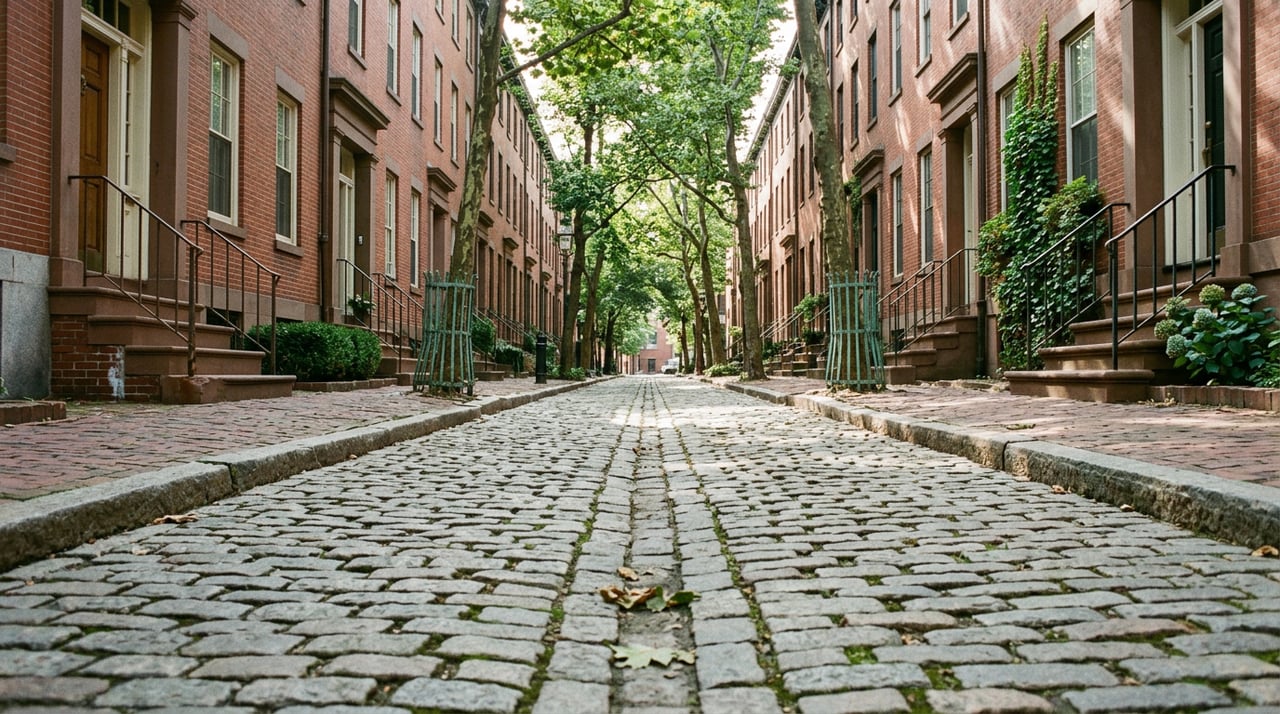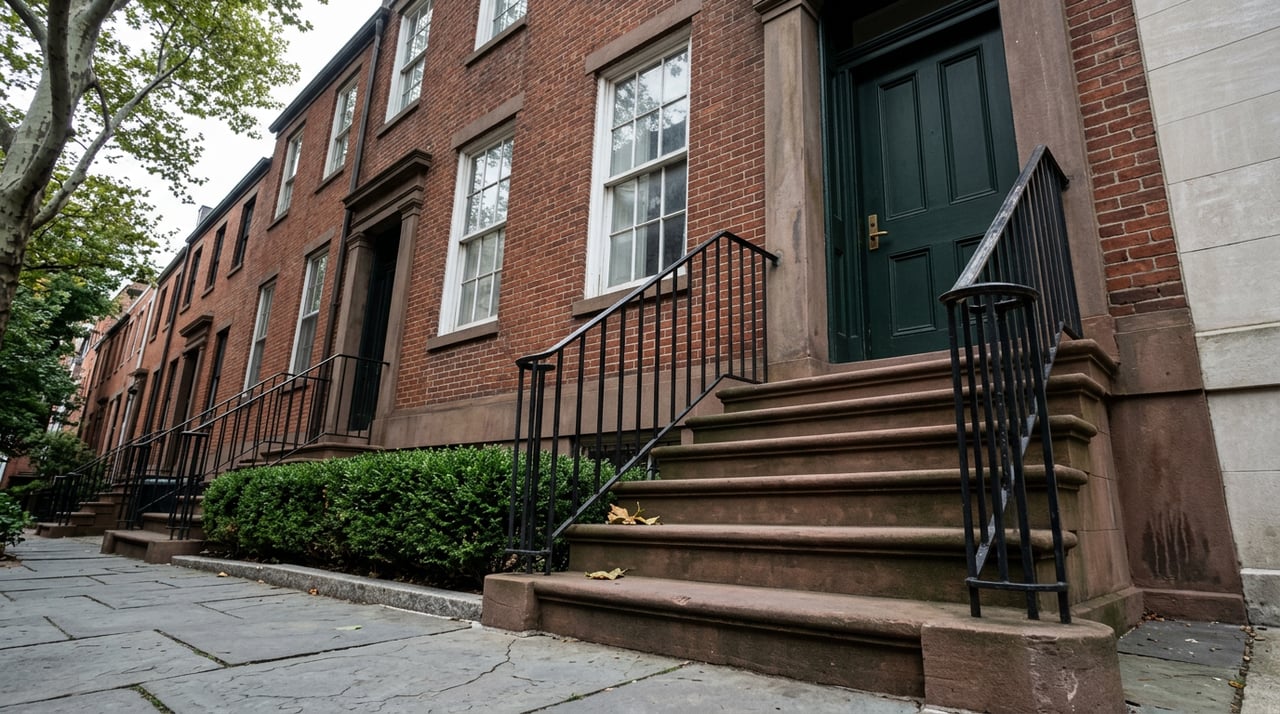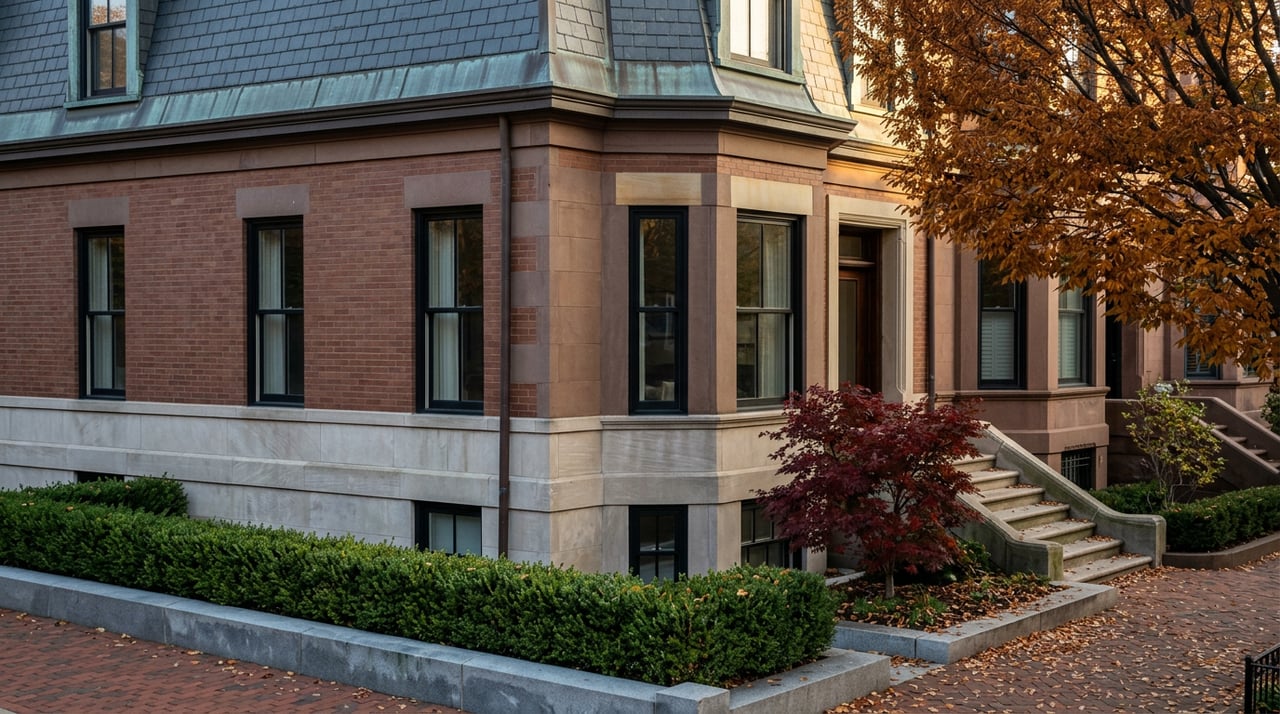
A buyer tours a co-op two blocks from the park, likes the layout, and asks the listing agent about the key. The agent says the building "is Gramercy Park." The buyer assumes access comes with the deed. It does not. The address sits inside the neighborhood; the key sits inside a much smaller list of buildings, and it travels with the unit only if the co-op or condo is current on its annual assessment to the Gramercy Park Trust and the board treats the key as a right of the shares rather than a discretionary perk.
That gap between address and access is the single most consequential detail in Gramercy pricing, and it is why the "park premium" numbers you find online disagree so wildly.
The 383-key rule that quietly sets the market
Only about 383 keys are in circulation, and they are distributed exclusively to the roughly 39 buildings directly abutting the park. The gates have been locked since 1844, which is why residents value the amenity in the first place, and why the buyer pool for a key-carrying unit is structurally different from the pool for a unit one block east. Keyholders are required to use the key to both enter and exit, and they may bring in no more than five guests at a time. The park closes at dusk, and Trust rules bar dogs, bicycles, ball sports, alcohol, and commercial photography inside the gates. The rooftop lawsuit filed in May 2026 by residents of 50 Gramercy Park North against MCR Hotels is a useful reminder that "amenity rights" in this pocket of Manhattan are contractual, building-specific, and occasionally litigated.
None of that shows up on a listing sheet. All of it shows up in the price.
Why the published "premium" numbers do not agree
If you have spent an afternoon reading Gramercy content, you have seen three different premium estimates presented as fact. They are not measuring the same thing.
| Source | Reported premium | What it actually measures |
|---|---|---|
| 2017 StreetEasy study, cited by the Wall Street Journal | About $292,000 average sales premium | Dollar spread on closed sales with park access versus comparable sales without |
| The Real Deal, earlier reporting | Roughly 10 to 15 percent | Percentage lift for on-park homes versus similar homes a few blocks away |
| Brokerage market analyses circulating in 2026 | 20 to 40 percent | On-park inventory versus "adjacent neighborhood" inventory, a much wider comp set |
| NYC Department of Finance, quoted by Gothamist | No fixed dollar add | Assessment methodology; access is folded into general valuation |
The estimates rise as the comparison set gets sloppier. A tight comp against the co-op next door produces a smaller number. A comparison against units three avenues away, in a different building class, produces a much bigger one. Neither is wrong. They answer different questions, and a buyer who quotes the 40 percent figure to justify walking away from a bid is arguing with a statistic that was never about their specific transaction.
The honest read: park access materially supports value, the premium is real, and it is layered on top of the usual co-op variables rather than replacing them. Floor, exposure, renovation quality, and building financial health still do most of the work.
Reading 2026 pricing through the key filter
The neighborhood's headline numbers have been noisy this year, and the noise has a reason. As of March 2026, PropertyShark put the median home sale in Gramercy Park at $915,000, with condos at $1.6 million and co-ops at $712,000. Redfin's February 2026 read showed a median of $950,000 with 87 days on market, and a median price per square foot up 15.5 percent year over year even as the overall median fell. A separate broker report circulating in mid-2026 showed sale prices down roughly 22 percent year over year while rents rose about 6 percent.
Those figures look contradictory only if you treat Gramercy Park as one market. It is not. It is at least two: the tight ring of park-key buildings, where inventory is thin, holding periods are long, and price per square foot is climbing, and the wider blocks east toward Third Avenue and south toward Union Square, where more inventory is trading, often at lower per-foot marks, dragging the neighborhood median down. A falling median with a rising per-foot number is the signature of a mix shift, not a broad correction. For a buyer, that is the interpretive point: the "down 22 percent" headline is not an invitation to lowball a park-block co-op. It is a description of what is selling, not what park-block sellers will accept.
The due diligence that actually protects the premium you pay
If you are bidding on a unit whose price implicitly includes park access, the friction points are specific and often surface late in a transaction. A buyer's counsel should confirm, on the record:
- Whether the building is one of the recognized key-carrying addresses. Buildings along Irving Place, East 19th Street, and Third Avenue that sit near the park but not on the deeded perimeter do not qualify.
- Whether the co-op or condo is current on its annual assessment to the Gramercy Park Trust. A building in arrears can lose key privileges.
- Whether the key transfers automatically at closing or requires a separate application and approval.
- Whether the specific unit's shares or common interest carry key rights. In some buildings, keys are tied to specific units or to owners rather than tenants.
- The board's policy on lost keys and replacement fees, which are not trivial.
- Any pending litigation involving the building's amenity rights, of the kind the 50 Gramercy Park North filing illustrates.
None of these are exotic asks. They are, however, the questions that get skipped when a buyer falls in love with a park view and the listing broker says "yes, of course it comes with a key."
Two 2026 developments worth pricing into a bid
The reopening of the Gramercy Park Hotel, anticipated for spring 2026 under MCR Hotels, is a soft tailwind for the ring of key-carrying buildings around it. The hotel is expected to retain its keys, and the return of ground-floor food and beverage, including a new tenant in the former Maialino space and a reopened Rose Bar, changes the daily texture of the blocks north of the park. Whether that lifts closing prices in adjacent co-ops or simply shortens their days on market is a question worth watching over the next four quarters, but it is not a reason to overbid today.
The 50 Gramercy Park North rooftop suit against MCR is the counterweight. It is a reminder that in this micro-market, amenities that appear permanent on a marketing brochure can be contested in court. A serious buyer reads the offering plan, the amendments, and the recent board minutes, not the listing description.
What a key does not do
Access to the park does not solve the two problems buyers actually run into during Gramercy transactions: co-op board scrutiny and long holding periods on the sell side. Most owners in the park-key buildings hold their apartments for decades, which is why inventory is thin and why boards can afford to be exacting. If you are buying with financing, or you plan to use the unit as a pied-a-terre, the board's posture on both matters more to your outcome than the key itself. Confirm the building's financing and pied-a-terre policies before you invest emotional energy in a specific unit.
FAQ
Does the New York City Department of Finance add a specific dollar amount to a Gramercy Park home's assessed value for the key? No. A Department of Finance official told Gothamist that the city does not add a fixed amount for park access. The amenity is folded into general valuation, which means the assessed value is a poor proxy for the market's willingness to pay for a key.
Can a renter in a key-carrying building get a key? Sometimes. It depends on the building. Some landlords extend key rights to tenants, others retain them for owners only. For a buyer considering a unit as a rental investment, this is a specific question to ask the managing agent before signing.
Is the annual Trust assessment paid by the individual owner or by the building? The building pays the Trust, and the cost is recovered through maintenance or common charges. That is why a building in financial distress can quietly lose access, and why a co-op's most recent financial statement is a more useful document than a listing photograph.
Do townhouses on the park work differently from co-ops and condos? Yes. Townhouse key rights are typically tied to the deed rather than to a board's key-distribution policy, which changes the diligence questions but does not remove them. Confirm that the key is deeded to the specific tax lot and that any historic district covenants are understood before closing.
If you are weighing a Gramercy Park purchase and want a read on what a specific building's key actually delivers, and what it should and should not add to your bid, Jarrod Duncan works through these questions with buyers before offers go out, not after. Let's Connect.